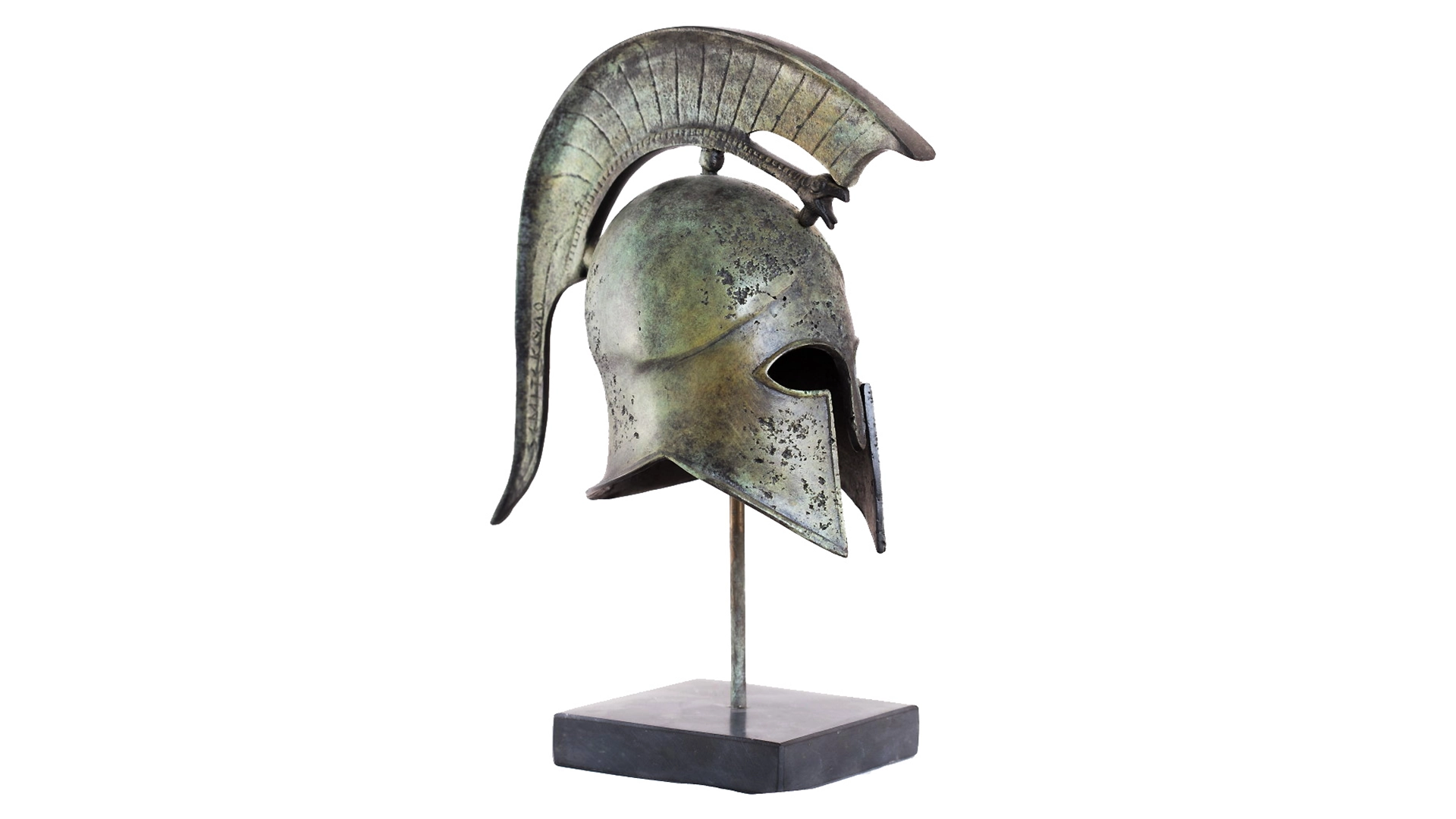
The processing and shaping of copper were industries that flourished immensely in Aegina. Great masters such as Simon, Onatas, Altimus, Aristonoos, Ptolichus, and Syrambus served this art by creating statues of
gods and heroes, as well as mythical creatures—such as the famous bronze bull—which were dedicated to oracles and sacred temples. At the same time, these craftsmen were essential to the production of both functional and military objects.
The Aeginetan School of bronze-working and its sculpture workshops reached their peak in the 7th century BC, an era when the cult images of deities began to take on human form. This movement was pioneered by the Aeginetan sculptor Smilis, who crafted the seated statue of Hera on Samos. Bronze-smiths (or chalkoplastes) were invaluable artisans held in high esteem; the most renowned among them was Onatas, whose masterpieces adorned the Athenian Acropolis, Olympia, Tanagra, and Pergamon.
Today, the art of copperworking spans a wide range of applications: from decorative arts and sculpture to shipbuilding, aerospace, and the manufacturing of musical instruments, ecclesiastical items, and traditional
household utensils, famously known in Greece as ‘chalkomata’.